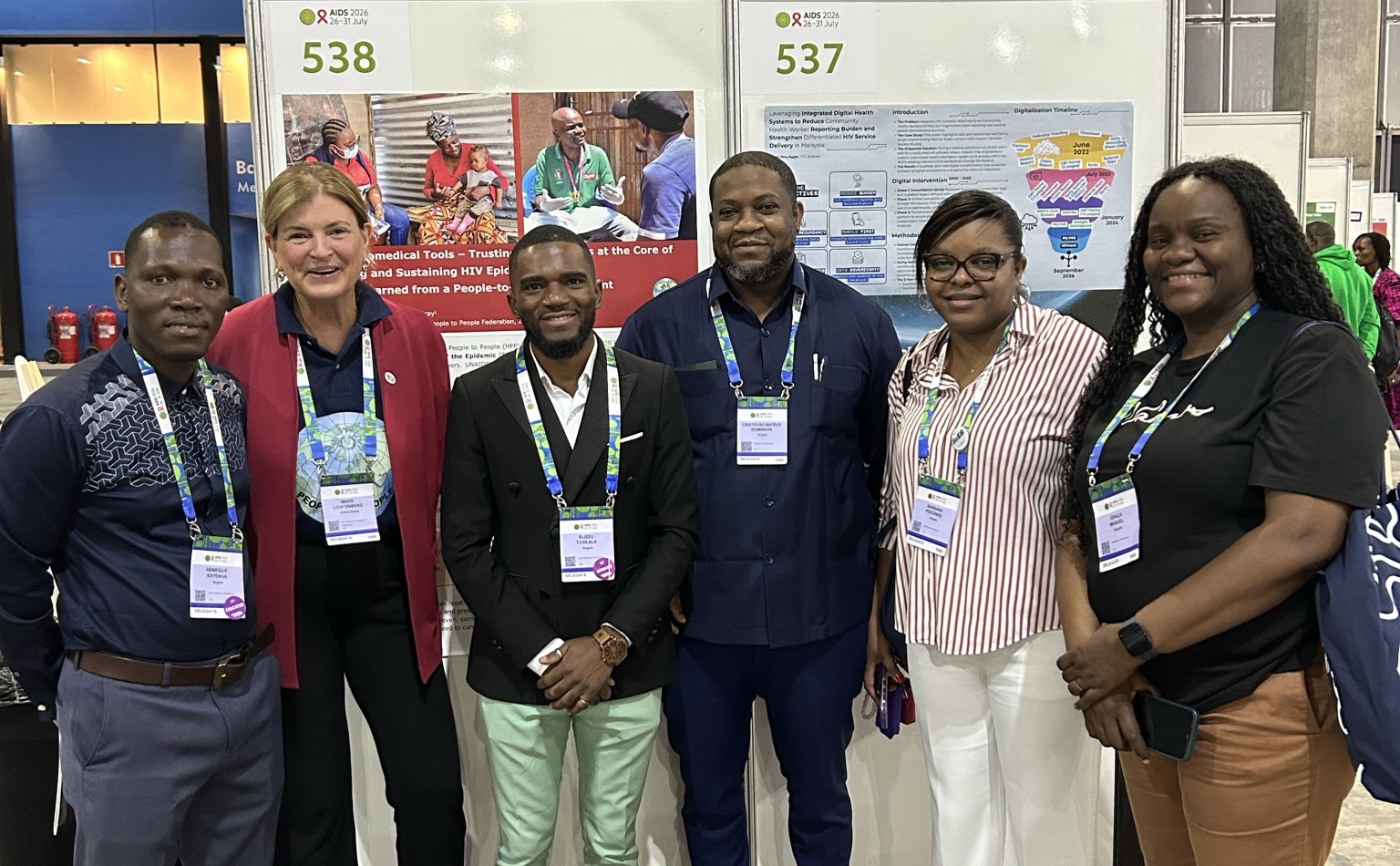
ADPP Angola participated in the International AIDS 2026 Conference, held from 26 to 31 July in Rio de Janeiro, Brazil, bringing Angola’s experience in implementing community-based HIV and Tuberculosis (TB) projects in the provinces of Benguela, Cuanza Sul and Bié to the international discussion.
During the conference, ADPP Angola presented a scientific poster on the experience of the project in using social transfers and to support pregnant women in preventing mother-to-child transmission of HIV.
The experience presented highlighted the importance of integrating health responses with social protection mechanisms. Economic and social challenges can create barriers to accessing and continuing care, making support for families an important component of community-based interventions.
The presentation attracted the interest of representatives from several organisations, including the National Institute for the Fight Against AIDS (INLS), Zvandiri and the United States Department of State. The event also provided an opportunity to exchange experiences with researchers, health professionals, civil society organisations and partners from different countries.
At the stand shared by ADPP Angola and the Humana People to People Federation, the team also welcomed a delegation from the Ministry of Health (MINSA) and INLS, who learned about the experiences and results presented by the organisation.
The participation also included a meeting with Frontline AIDS, a strategic partner of ADPP Angola, to reflect on the results, challenges and lessons learned from the projects, as well as explore prospects for continuity and new opportunities for collaboration.
ADPP Angola’s participation in AIDS 2026 provided an opportunity to give international visibility to the experience developed in Angola, promote new partnerships and reaffirm its commitment to people-centred, evidence-based community responses focused on sustainable results.

In the provinces of Benguela, Cuanza Sul and Bié, community health workers from the HIV/AIDS and Tuberculosis project have stepped up outreach efforts targeting pregnant women. The activities focus on HIV prevention, voluntary testing, and access to antenatal care.
During these sessions, expectant mothers receive clear guidance on how to prevent mother-to-child transmission during pregnancy, childbirth, and breastfeeding. They are encouraged to test early and to attend regular check-ups at local health facilities.
When required, women are referred for treatment and supported through continuous follow-up to ensure adherence to medical advice. The approach combines active listening, personalised guidance and emotional support, helping to address fear, stigma, and misinformation within the community.
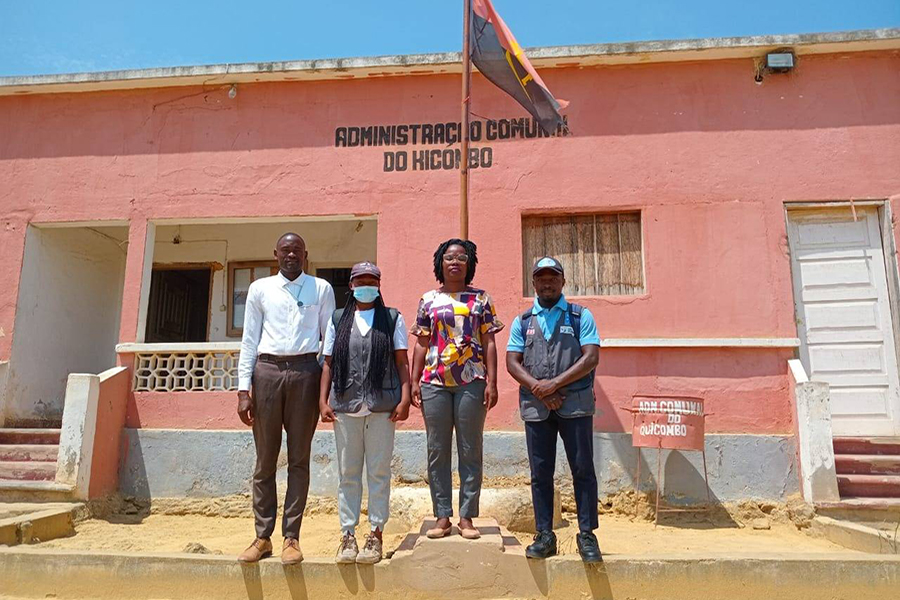
The team of the Community Project to Combat HIV/AIDS and Tuberculosis in Cuanza Sul held a strategic meeting with members of the Kikombo Communal Administration to strengthen the coordination of health actions in the community.
During the meeting, Deputy Administrator Marlene Sangueve presented the plan to upgrade the local health post, including the expansion of services. Tuberculosis was highlighted as a priority due to the long distances many patients must travel for diagnosis and treatment.
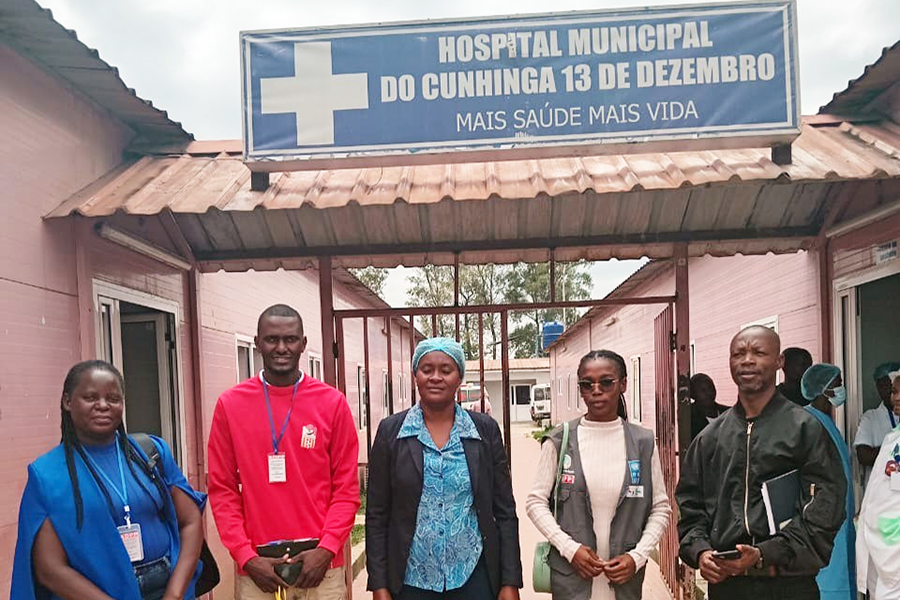
Community health workers from the Community Project to Combat HIV/AIDS and Tuberculosis met with health technicians from the Cunhinga municipality in Bié to coordinate local activities. The meeting was attended by the project leader, the Monitoring and Evaluation officer, the nursing director, the tuberculosis focal point, and the acting municipal health director.
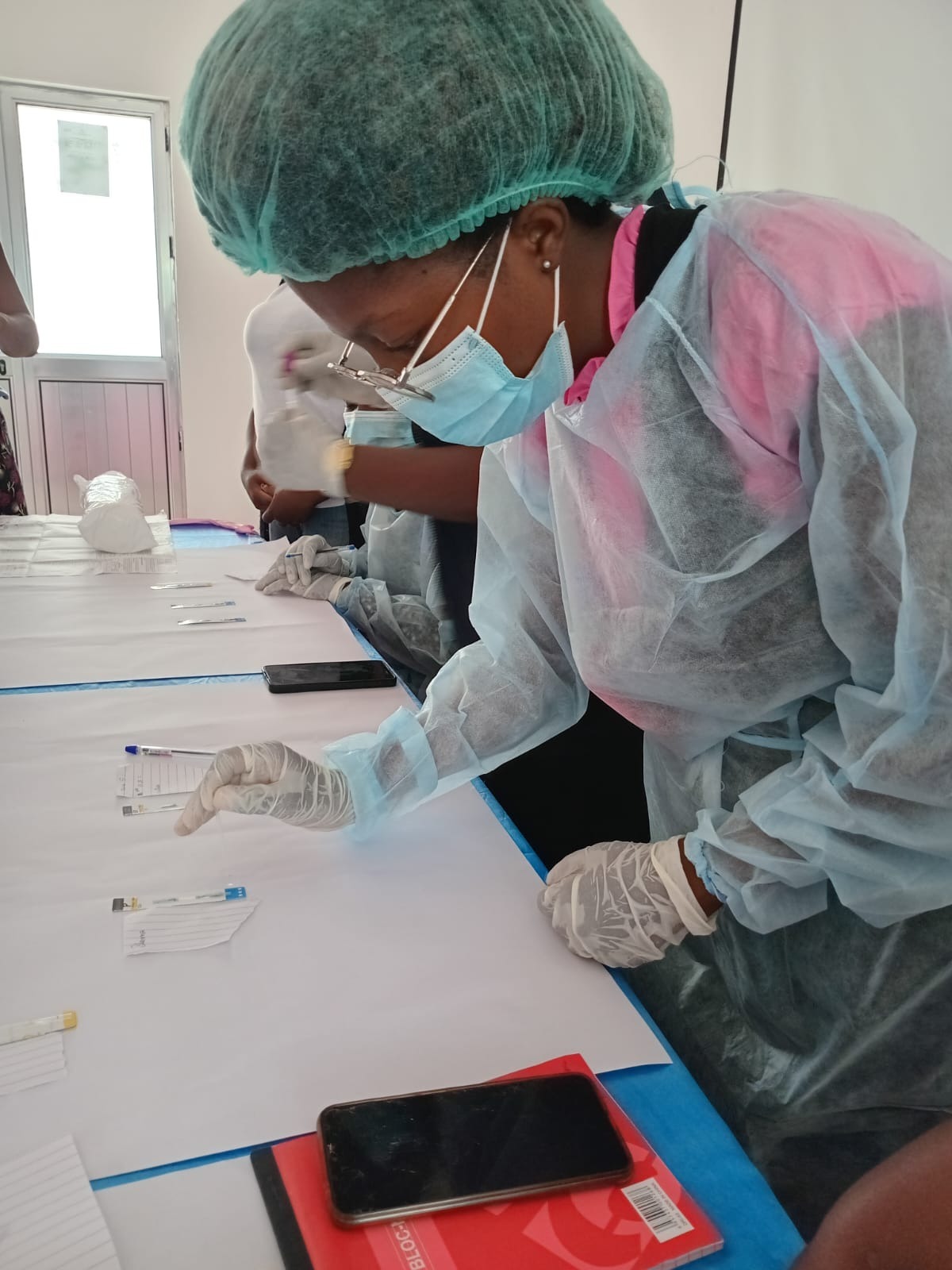
The discussion focused on the operation of the sample collection and transport system, standard operating procedures, and coordination mechanisms between community teams and health services, thereby strengthening the response to the epidemic in the region.
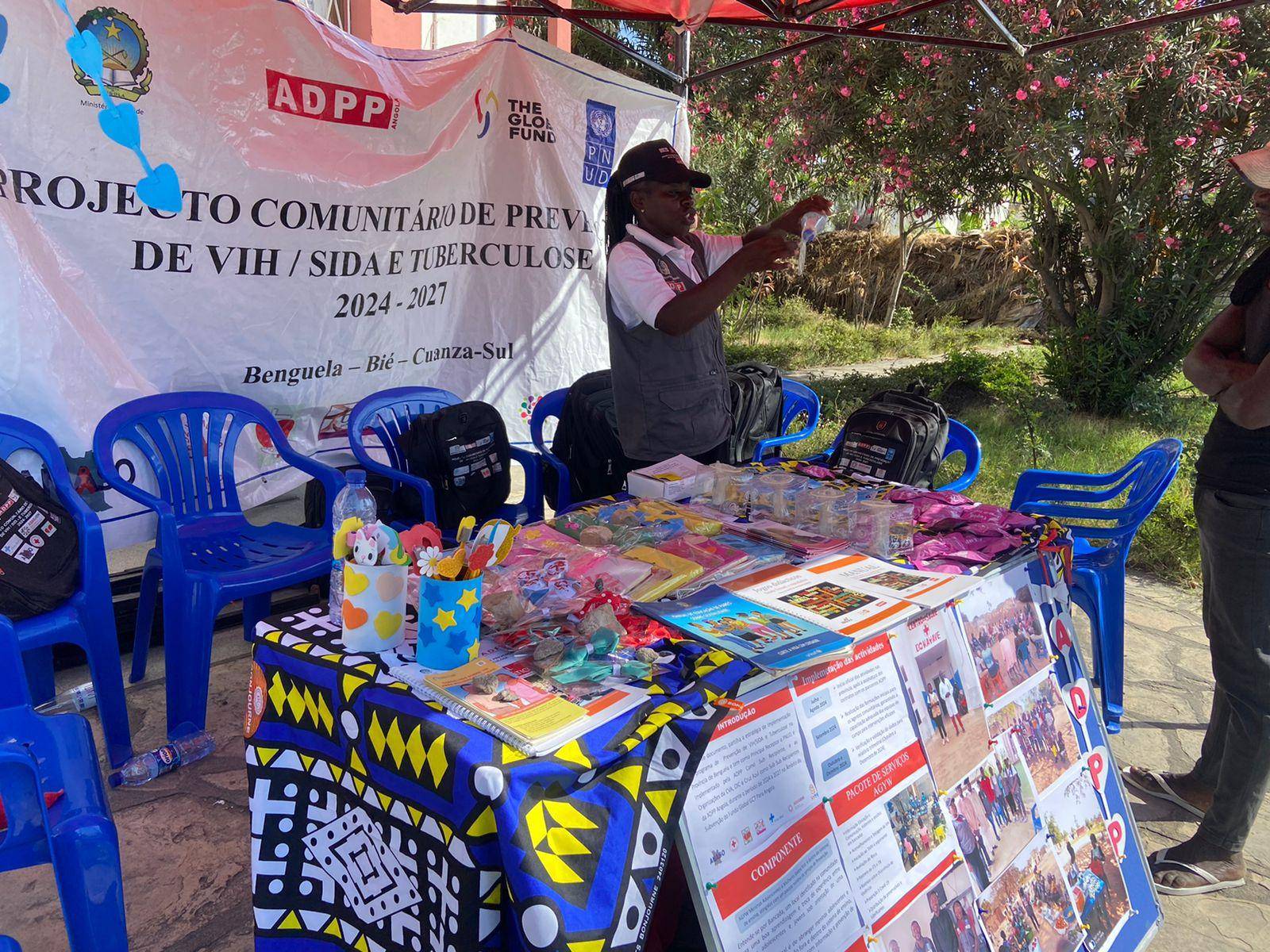
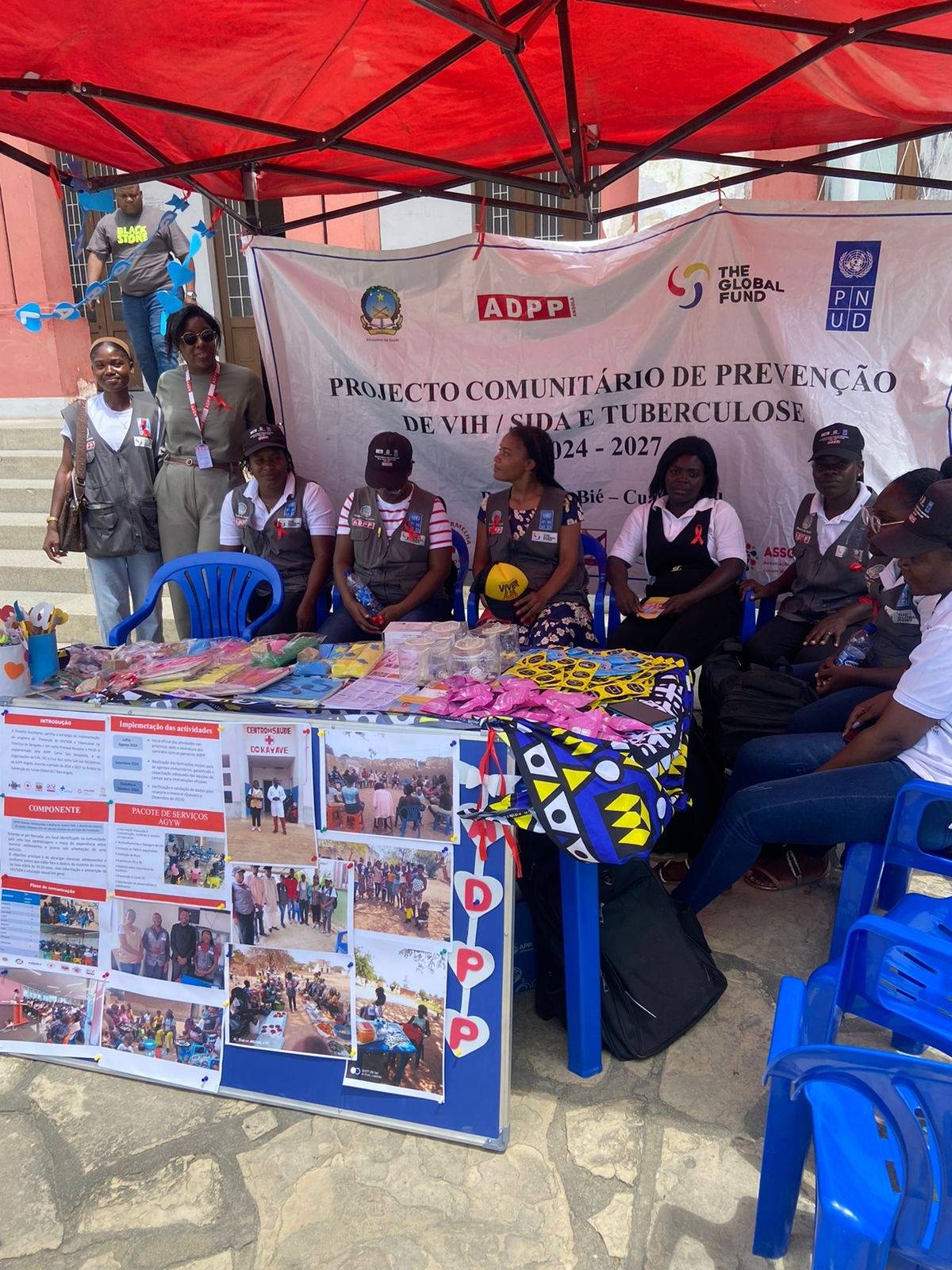
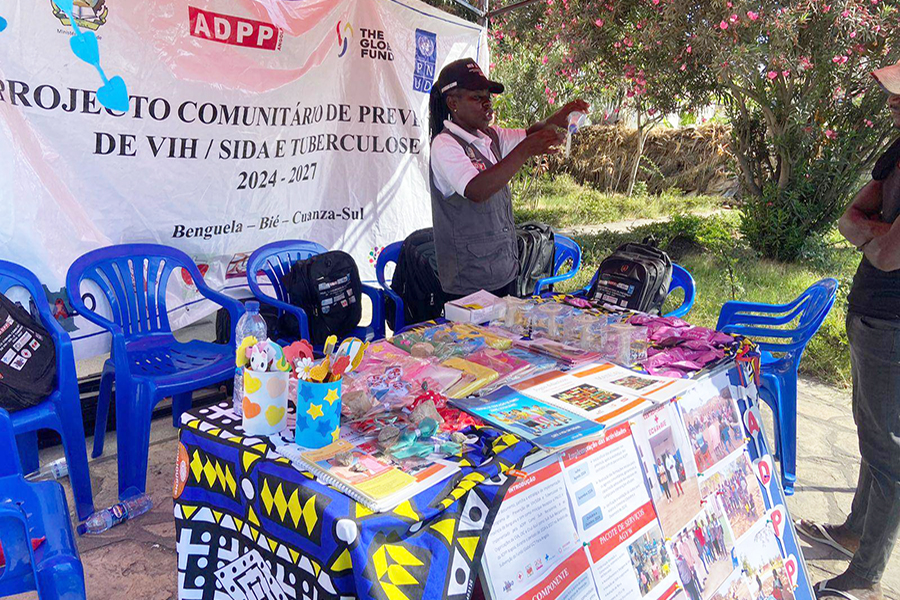
The Subproject for Girls, Adolescents, and Young Women, “Bancadas,” took part in the opening ceremony of World AIDS Day, with an exhibition showcasing the activities carried out under the Community Project for the Prevention of HIV/AIDS and Tuberculosis.
During the event, the team distributed condoms and lubricants and held brief informational sessions on the correct use of condoms and their effectiveness in preventing sexually transmitted infections, with a focus on HIV.
The exhibition also highlighted the work carried out in the community “bancadas,” where participants address topics related to empowerment, life skills development, and the creation of small businesses. These activities support informed decision-making regarding sexuality and help reduce vulnerabilities and risks associated with sexual life within the communities.